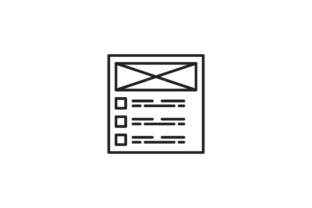
Wireframe Embroidery Design Review: Practical for Projects
When I first opened the Wireframe SVG file, I was struck by its minimalist charm. It’s not just another generic icon set—it has a distinct visual language that speaks to modern aesthetics and clean design principles. The lines are crisp, the layout is balanced, and there's a subtle sophistication in how the elements come together. For anyone who works with machine embroidery designs, especially those creating handmade products or digital assets for sale, this kind of clarity is essential.
A Mood That Works Well on Fabric
The Wireframe design gives off a tech-savvy, contemporary vibe—think smart home gadgets, modern fashion labels, or boutique-style branding. Its geometric precision and lack of over-the-top detail make it feel approachable yet professional. This isn’t a design that screams for attention; instead, it earns it through thoughtful placement and adaptability. In an era where minimalism dominates both web and print, Wireframe feels right at home on fabric too.
Theme and Layout
The theme of the icons leans into line art and negative space, which means they can be stitched using running stitch or satin stitch without overwhelming the material. Each icon is self-contained but scalable, so whether you're stitching a tiny logo on a patch or expanding it across a tote bag design, the layout holds up. The spacing between elements is generous enough to avoid stitch tangles, and the overall shape of each graphic makes it easy to align within your hoop size.
Real-Life Use Scenarios
I tested Wireframe on a few common projects to see how it would perform. Here’s what I found:
- Sweatshirt embroidery: The design looked great when applied as a small chest emblem. The lightness of the wireframe style didn’t clash with the sweatshirt’s texture and gave a refined, stylish look.
- Baby clothes: Used as part of a baby onesie label, it added a touch of elegance without being too busy. Parents loved the subtle branding and the clean appearance.
- Tote bag design: When scaled up slightly, Wireframe made a strong statement on a linen canvas tote. The contrast between the thread colors and the fabric really brought out the details.
- Embroidered patch: The simplicity of the design translated well into a small, wearable patch. It worked beautifully as a discreet accessory on denim jackets and backpacks.
- Holiday gifts: On personalized tea towels and aprons, the icons felt festive and modern. They were perfect for adding a functional yet decorative element to kitchenware.
What stood out most was how versatile Wireframe could be. As a graphics-based embroidery file, it doesn’t demand a lot from the machine or the fabric, making it ideal for both hobbyists and commercial embroiderers working with tight deadlines and varied materials.
Where to Use Wireframe Carefully
Despite its strengths, Wireframe isn't always the best fit. Here are some scenarios where I’d recommend caution:
- Small hoop sizes: If you’re working with a very limited area, like a cap or hat, some of the finer lines may get lost. Zooming in during the test run is crucial here.
- Textured fabrics: Fabrics like twill or flannel can distort thin lines if the stabilizer isn’t chosen carefully. A tear-away stabilizer might work, but for textured surfaces, consider a cut-away option.
- Thin or stretchy fabric: Stretchy materials like spandex or thin cotton can cause the lines to pull or misalign. Hoop tension and stabilizer choice become even more important in these cases.
- Dark backgrounds: While the design looks sharp on light tones, it needs good thread color contrast on dark fabrics. Black thread won’t stand out much on black denim or navy fleece, so choose wisely.
- Curved surfaces: Icons placed on curved areas (like a cap) need extra alignment checks. Even slight distortions can throw off the symmetry of the design.
- Detailed corners and tiny lettering: Some versions of Wireframe include intricate angles or fine text. These require careful inspection before stitching to ensure they don’t break apart or become illegible.
In short, while Wireframe is adaptable, it does have limits. Understanding those will help you use it effectively and maintain the quality of your finished product.
Visual Appeal and Stitch Clarity
One of the biggest advantages of Wireframe is its ability to maintain clarity after stitching. The design avoids dense fill stitches, which helps reduce puckering and keeps the embroidery looking smooth. When stitched correctly, the result is a clean, almost screen-printed look that feels fresh and current.
This kind of presentation boosts the product value, especially for Etsy sellers or craft business owners aiming to offer something unique. Customers often associate clear, neat embroidery with professionalism and quality, which builds customer trust. Whether you're selling a custom apparel item or a handmade gift, Wireframe adds a layer of polish that stands out.
Design Consistency and Branding
If you're building a brand around a specific aesthetic—say, modern, tech-inspired, or lifestyle-driven—Wireframe can serve as a reliable design asset. The uniformity in line weight and spacing across all icons ensures that any embroidery project using them maintains a cohesive look. This is particularly helpful when creating multiple items for a boutique product line or printable mockups for digital product previews.
As a real project user, I’ve seen how consistent design choices elevate a shop’s identity. Wireframe offers that consistency without sacrificing creativity, making it a solid choice for long-term use in your creative portfolio.
Designer Notes for Real Project Use
Before using Wireframe in production, here are some practical tips I follow:
- Test on scrap fabric: Always do a trial run to check how the design translates from digital to physical. Especially important for checking stitch density and alignment.
- Review thread color options: Since the design relies on outlines and minimal fills, choosing thread colors that provide high contrast is key. Don’t assume black will always pop—try different hues depending on your background fabric.
- Check stitch density: Because the design is vector-based and optimized for SVG, it usually comes with settings that are safe for most machines. Still, review the stitch count and adjust if needed to prevent distortion.
- Confirm hoop size requirements: The design should specify recommended hoop sizes. If not, measure your own and compare to ensure everything fits properly without stretching.
- Inspect small details: Look closely at corners and fine lines. These can sometimes be problematic if the embroidery machine or software doesn’t handle them well.
- Use proper stabilizer: Depending on your fabric type, choose a stabilizer that supports the design’s structure. Too little support can lead to gaps or uneven stitches.
- Test in black and white: If you’re unsure about thread color combinations, try a grayscale version first. This helps you visualize how the design will look regardless of fabric shade.
- Compare light and dark backgrounds: Run tests on both types of fabric to see how the design adapts visually. You might find it’s better suited to one than the other.
- Confirm licensing for commercial use: Make sure the terms allow you to use the design in both personal and commercial embroidery projects. If the download only mentions SVG, double-check with the seller for full permissions.
Final Thoughts for Embroidery Creators
Wireframe is a design that walks the line between simple and sophisticated. It’s not going to wow people with bold colors or heavy textures, but it does deliver a quiet confidence that can enhance any embroidery project. From custom apparel to holiday gifts, it adds a layer of thoughtfulness that customers notice—even if they can’t quite put their finger on why.
For craft fair products or small shop merchandise, this kind of understated appeal is gold. It shows that your work is intentional and polished, which matters when buyers are choosing between handmade options. And for digital embroidery files used in online listings, the design’s clean edges and modern feel translate well into high-quality visuals that attract attention.
So yes, Wireframe is worth considering—but also worth evaluating. Take time to understand how it behaves under different conditions and how it fits your brand’s voice. With the right application, it can become a trusted part of your design toolkit.