Stamp Embroidery Design Review for Real Projects
When evaluating an embroidery design like Stamp, it's important to look beyond the file and imagine how it will translate into a stitched product. As someone who regularly works with digital embroidery files, I know that what looks great on screen doesn’t always hold up in real-world applications. So, let’s take a closer look at this SVG-based icon-style graphics design and assess its strengths, limitations, and best uses.
First Impressions: Mood and Aesthetic
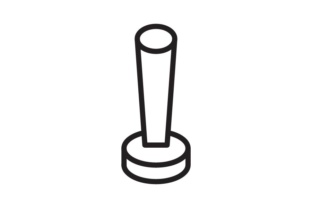
The Stamp embroidery design makes a clean, minimalist first impression. It feels modern and slightly vintage all at once — the kind of look that can work well across multiple styles and demographics. The shape is balanced and symmetrical, which immediately suggests a level of professionalism and intentionality behind the design. Its theme is subtle enough to be versatile but still has enough visual character to stand out as a unique element in a project.
I see Stamp fitting naturally into custom apparel, especially items like tote bags or sweatshirts where understated branding or personalization is desired. It also holds potential for boutique-style products such as embroidered patches, aprons, or even baby items where a soft, refined touch is preferred over bold, busy patterns.
Layout and Detail Level
From a layout perspective, the design is straightforward. It doesn’t rely on intricate details or tiny lettering, which is a relief for those working with less-than-ideal conditions. The lines are clear, the spacing is generous, and the overall structure avoids any unnecessary complexity. This means it should stitch cleanly without requiring overly dense stitch areas or high precision from the embroiderer.
However, because it’s an icon-style graphic, the detail level is moderate. If you're looking for something highly detailed or complex, this might not be your go-to choice. But if you want a design that communicates clearly and maintains integrity after stitching, Stamp hits the mark.
Real-Life Performance in Common Embroidery Projects
Let’s break down how Stamp performs in different real-life scenarios. Imagine you’re preparing a line of custom embroidered tote bags for your Etsy shop. You need something that reads well from a distance and complements other text or logos. Stamp would serve as a strong supporting graphic — maybe placed near a name or logo to add a tactile, visual accent.
- Sweatshirt Embroidery: Works well for tonal designs, especially when paired with simple fonts. It adds a decorative touch without overwhelming the garment.
- Baby Clothes: The softness of the design suits delicate fabrics and gentle themes. Just make sure the thread colors contrast well with the base fabric.
- Embroidered Patches: The layout is ideal for small-scale applique work. With proper stabilizer and careful placement, it could become a staple in your patch collection.
- Nursery Decor: The subtle aesthetic pairs nicely with pastel palettes and hand-stitched textures. It could enhance pillow covers or wall hangings effortlessly.
- Holiday Gifts: When used in holiday-themed projects, like personalized tea towels or gift tags, it brings a sense of warmth and authenticity.
Visual Appeal and Customer Reaction
In terms of visual appeal, Stamp leans toward the sophisticated side. It’s not flashy or loud, but it does have a quiet charm that appeals to crafters and customers who value simplicity and quality. I can see it resonating particularly well with handmade product buyers who appreciate thoughtful, non-over-the-top designs.
Customers tend to react positively to designs that don’t scream for attention but instead offer a sense of refinement. Stamp fits this bill, especially when used in branding elements for small businesses or boutique shops. It adds a layer of credibility and polish to the finished product, subtly suggesting that the item was made with care and consideration.
Where to Use Stamp Carefully
While Stamp is versatile, there are certain situations where it needs to be handled with more thought.
- Small Hoop Sizes: Because the design is relatively compact, it might struggle in very tight hoop sizes. Always check the recommended minimum hoop size before starting your project.
- Textured Fabrics: Stitch clarity may vary depending on the fabric texture. On homespun or canvas materials, the design may appear slightly softer or less defined.
- Thin or Stretchy Fabrics: These require extra stabilizing to prevent puckering or distortion. Be prepared to adjust your stabilizer type and tension settings accordingly.
- Dark Fabric Backgrounds: Thread color visibility becomes crucial here. Consider using lighter shades or metallic threads to ensure the design stands out.
- Curved Surfaces (e.g., Caps or Hats): The symmetry of Stamp could get disrupted by curvature. Test it on a curved surface mockup before finalizing your production plan.
- Frequent Washing (e.g., Towels or Apparel): Dense stitch areas may cause wear over time. Optimize stitch density and use durable thread types to maintain longevity.
Design Notes for Practical Application
Before diving into a full project with Stamp, I recommend doing a few key checks to ensure the best outcome:
- Test on Scrap Fabric: Always try the design on a piece of scrap fabric similar to your end product. This helps identify issues with thread tension, fabric behavior, and stitch flow.
- Review Thread Color Contrast: Especially if you're working with dark or patterned backgrounds. A black and white mockup can help visualize whether the design remains legible.
- Check Stitch Density: Lower density is often better for stretchy or thin fabrics. Don’t assume the default settings will work for every material.
- Confirm Hoop Size: Some embroidery machines require specific hoop sizes for optimal stitching. If the file doesn’t specify, double-check compatibility with your machine.
- Inspect Small Details: Even though Stamp isn’t ultra-detailed, some corners or lines may still be tricky to stitch consistently. Zoom in and test these areas separately.
- Use Proper Stabilizer: Depending on the fabric, you may need tear-away, wash-away, or cut-away stabilizers. Choose wisely to avoid ripples or distortion.
- Confirm Licensing: Since this is a digital embroidery file, verify the license allows for commercial use if you plan to sell the finished product or include it in digital kits.
Impact on Branding and Product Value
As a designer or small business owner, one of the biggest questions is: Does this design elevate my brand? In short, yes. Stamp contributes to a cohesive and professional look when applied correctly. Its consistent shape and style make it a solid candidate for brand consistency across multiple product lines — think embroidered patches for packaging or matching designs on both tea towels and tote bags.
It also enhances the perceived value of a handmade product. Even if your stitching setup is basic, the refined nature of Stamp can give your work a more polished appearance. Customers notice these subtleties, and they often translate into higher trust and engagement — especially in niche markets like personalized gifts or boutique merchandise.
Giftability and Recognition
The Stamp design has a natural gift-friendly vibe. Whether it's a holiday embroidery project or a personalized baby item, it adds just the right amount of personality without being too literal or childish. This balance is perfect for cross-generational appeal, making it a safe bet for small shop products or Etsy sellers targeting a wide audience.
Recognition is another factor worth noting. If you're using Stamp as part of a recurring motif in your designs, it can become a signature element of your creative identity. That said, it won’t overshadow other components — so it works well within larger compositions or alongside handwritten names and dates.
Final Thoughts from the Machine Embroidery Perspective
Embroidery is as much about planning as it is about execution. Stamp is a design that rewards preparation. Take the time to understand how it behaves on different materials and under various stitching conditions, and you’ll find it to be a reliable addition to your design library.
For hobbyists and makers, it’s a great way to experiment with icon-style graphics in embroidery. For professionals, it’s a subtle yet effective tool for enhancing product presentation and customer experience. Just remember — while the digital file looks good, the true test is always in the stitch.
So, next time you're thinking about adding a little character to your handmade product lineup, consider Stamp. It might just be the quiet statement your design needs.