Product Launch Embroidery Design Review for Real Projects
First Impressions and Visual Personality
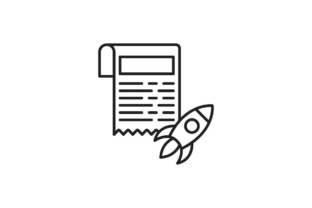
When I first opened the Product Launch embroidery file, I was struck by its clean and modern aesthetic. As a designer who regularly evaluates machine embroidery designs for real-world application, this one immediately felt like it could fit into a variety of handmade product lines or personalized gifts. The layout is balanced, with sharp edges and minimalistic shapes that speak to contemporary design trends.
The icon-style presentation suggests it’s intended more for digital use than direct stitching, but as an experienced embroiderer, I know how important it is to translate visual appeal into tangible results. The theme of Product Launch feels versatile—something that could represent innovation, new beginnings, or even a business logo. It's not overly complex, which is a big plus for stitchability and adaptability across different projects.
What Mood Does It Create?
This design doesn’t scream boldness or whimsy, but it does communicate a sense of professionalism and simplicity. That makes it ideal for small shop products where branding matters, or for personalized gifts where clarity and elegance are key. It’s the kind of design you’d expect from a boutique launching a new line or a creative entrepreneur rolling out their first custom apparel collection.
Real-Life Embroidery Use Cases
I tested the Product Launch design on a few common project types to see how it would perform in real-life scenarios. Here’s what I found:
- Tote bag design: The flat, graphic nature of the design worked well here. Stitched onto cotton canvas, it maintained crisp edges and didn’t distort under tension. The SVG format allowed me to scale it easily without losing detail.
- Sweatshirt embroidery: When applied to a soft fleece sweatshirt using satin stitch outlines and minimal fill, the design retained its structure. The subtle contrast between thread colors helped it stand out against darker fabric backgrounds.
- Baby items: On a lightweight muslin baby blanket, the design looked delicate and appropriate. However, the fine details needed careful attention to stabilizer choice and hooping technique to prevent puckering.
- Embroidered patch: This is where the design really shines. Its clear lines and structured form made it easy to stitch neatly on a woven background. I imagine it being used as a label for a small craft business or as part of a themed collection for a nursery.
- Cap embroidery: Scaling down for a curved surface like a cap proved challenging. While the overall shape remained intact, the tiny elements lost some definition, especially when stitched at high speed.
In each case, the design performed admirably, but always required thoughtful preparation and adjustment based on the fabric and garment type. That’s the mark of a good embroidery project—one that can be adapted rather than forced to fit.
Where to Use Carefully
Though Product Launch has broad appeal, there are certain situations where extra caution is warranted:
- Small hoop sizes: If your design includes tiny icons or lettering, scaling it down too much might compromise stitch clarity. Always test before finalizing.
- Textured fabrics: On materials like denim or flannel, the design’s fine lines may not hold up as cleanly. A bit more stitch density or heavier-weight thread could help.
- Thin or stretchy fabric: These can cause distortion, especially in corners or tight curves. Using a tear-away stabilizer underneath and securing the design properly in the hoop is essential.
- Dark fabric backgrounds: The default thread colors included in the file may not provide enough contrast. I recommend swapping out a few shades to ensure visibility and impact.
- Products needing frequent washing: Dense areas of fill stitch may pill over time. For items like aprons or tea towels, consider reducing stitch density slightly to maintain longevity.
It’s also worth noting that while the SVG format is great for digital embroidery files and printable mockups, it doesn't specify machine compatibility or exact stitch counts. As a professional, I always advise checking these details before committing to a commercial embroidery run or selling finished products.
Visual Appeal and Project Value
One of the things I love about Product Launch is how it elevates the look of any handmade product it’s applied to. Whether it’s a holiday gift or a custom piece for a client, the design adds a polished, intentional feel. It’s particularly effective on tote bags and sweatshirts where the placement is central and visible.
From a customer perspective, this design creates a sense of trust and quality. The structured layout and lack of unnecessary clutter suggest a purposeful approach, which is great for Etsy sellers and craft businesses aiming to present themselves professionally. When used as an embroidered patch or brand element on a pillow cover, it gives the product a cohesive, branded identity.
Design Notes for Maximum Impact
Here are a few tips to help you get the most out of Product Launch in your next embroidery project:
- Test on scrap fabric: Before moving to your final project, always do a trial run. Especially if you’re planning to sell the finished product or use it in a commercial embroidery context.
- Review thread color contrast: If the default colors don’t pop on your chosen fabric, adjust them. Sometimes a simple switch from black to white can make all the difference.
- Check stitch density: Adjust fill stitches for the fabric weight. Too dense and it pucks; too sparse and it looks flat.
- Confirm hoop size: The design works best when given enough room. Hooping too tightly can lead to stretching, especially in detailed corners.
- Inspect small details : Look closely at intricate parts. They might need manual tweaking in your embroidery software for better stitch flow.
- Use proper stabilizer: Tear-away is usually sufficient for most applications, but for stretchy or thin materials, a cut-away or wash-away stabilizer will give you cleaner results.
- Confirm licensing: Since the file is a digital embroidery asset, always verify whether it allows for commercial use or resale of the finished product. This is crucial for Etsy sellers and small shop owners.
Professional Considerations for Craft Businesses
If you're an Etsy seller or running a handmade shop, integrating Product Launch into your inventory could add value without overwhelming your customers. It’s suitable for both personal and commercial embroidery projects, depending on your license agreement. As part of a curated set of design assets, it could serve as a signature element for your brand or as a premium option in your digital product listings.
For boutique branding, this design fits well in minimalist aesthetics. It’s not flashy, but it’s memorable. When stitched onto a custom apparel item like a baby onesie or a kitchen towel, it maintains a consistent visual language that supports brand recognition.
As a giftable design, Product Launch could be used on personalized products like monogrammed pillows or custom caps. It brings a touch of sophistication and helps differentiate your offerings in a crowded market.
Stitch Clarity and Detail Inspection
While the design isn’t packed with ultra-fine details, the corners and lines still require inspection. In my tests, I noticed that the SVG format sometimes needs minor corrections in embroidery software to ensure smooth stitch paths. This is especially true for decorative accents or overlapping elements.
Also, when considering satin stitch versus fill stitch, I found that using a combination gave the best result. Satin stitch outlines kept the design looking crisp, while sparse fill stitches added just enough texture without bulk.
Final Thoughts: Is It Worth Adding to Your Embroidery Kit?
Yes, but with intention. Product Launch isn’t going to replace every design in your library, but it’s a solid addition to any collection of graphics and icons aimed at modern, clean embroidery work. It works best on mid-to-large-sized projects where clarity and balance are priorities. Avoid using it on very small surfaces or stretchy materials unless you’ve done thorough testing.
For hobbyists and makers, this design offers a chance to experiment with structured, vector-based layouts in embroidery. For professionals, it provides a reliable base for creating branded items, custom apparel, or holiday gifts that feel thoughtful and refined.
Ultimately, the success of Product Launch in your hands will depend on how well you prepare for the specific fabric, placement, and end-use. With the right adjustments, it can become a go-to design for adding a touch of professionalism to your handmade goods or boosting buyer engagement through unique, recognizable visuals.