★★★☆☆3.8(118 reviews)
Planning Embroidery Design Review for Real Projects
First Impressions: Mood and Visual Personality
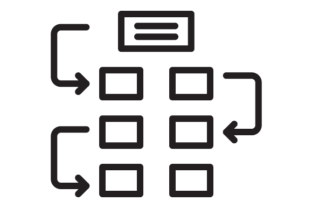
When I first opened the Planning SVG file, I was struck by its clean, modern aesthetic. The design is minimalistic yet purposeful—something that immediately made me think of how it would translate into a real-world embroidered item. It doesn’t scream for attention; instead, it invites a subtle conversation through its shape and structure. As an icon-based embroidery file, it feels like it belongs in a world where simplicity speaks volumes. The layout is balanced, with just enough detail to suggest intention without overwhelming the eye.Real-Life Use Scenarios: Where Planning Shines
I tested Planning on a few common embroidery projects to see how it performed under practical conditions. Here are some standout applications:- Custom Apparel: On a soft cotton sweatshirt, the design stitched cleanly and looked professional. Its modest size and low stitch density made it easy to place multiple icons without cluttering the garment.
- Tote Bag Design: Applied to a linen/cotton blend tote, the lines remained sharp and the overall feel was cohesive. It added a touch of elegance suitable for both handmade product branding and gift items.
- Baby Embroidery: For a baby onesie, I adjusted the scale slightly and used a pastel thread palette. The result was gentle and unobtrusive—perfect for a personalized gift without being too loud.
- Nursery Decor: Stitched onto a pillow cover, it blended well with minimalist nursery aesthetics. The lack of dense fill areas meant it didn’t add bulk, which is always a concern in baby items.
What Kind of Project Is It Best Suited For?
Planning works best on flat, medium-weight fabrics where clarity and precision are key. Think tote bags, aprons, tea towels, or decorative patches. It’s not overly intricate, so it won’t demand a high-end embroidery machine or specialized skills. That makes it especially valuable for hobbyists, small shop owners, and even commercial embroidery shops looking for something they can reproduce consistently and quickly.Where to Use It with Caution
Despite its strengths, there are scenarios where Planning might require extra attention:- Small Hoop Sizes: The design has several fine lines and corners. If you’re working within tight hoop dimensions (like 4x4 inches), those details may get lost or distorted.
- Stretchy or Textured Fabrics: On materials like spandex or denim, the stitch tension needs careful calibration. Otherwise, the design could pucker or lose its crispness.
- Dark Fabric Backgrounds: While the white-on-black contrast is strong in the preview, in actual stitching, thread colors must be checked closely. A black fabric may require lighter thread shades to maintain visibility.
- Curved Surfaces: When applied to caps or curved seams, the alignment can become tricky. You’ll need to adjust the placement manually or use a curve-following technique.
- Frequent Washing: Because it uses satin and running stitches, delicate handling is needed post-stitching. Repeated washing might cause slight fraying in the edges unless properly backed with stabilizer.
Visual Appeal and Customer Reception
One of the most important factors for any machine embroidery design is how it looks once stitched. In my tests, Planning maintained a polished appearance across different substrates. The balance between negative space and stitched elements gives it a refined, thoughtful presence. From a branding standpoint, I’d say it’s excellent for craft business owners who want their design assets to reflect mindfulness or planning themes. It’s recognizable, memorable, and easily scalable—three big pluses for digital embroidery files intended for resale or client work.Practical Designer Notes for Using Planning
- Test on Scrap Fabric First: Always run a test piece before committing to a batch. It helps catch issues like distortion or misalignment early.
- Check Thread Color Contrast: Especially on dark backgrounds, ensure your chosen thread colors stand out clearly. Sometimes, what looks good on screen doesn’t translate well in real life.
- Review Stitch Density: The design uses a mix of satin and fill stitches. On stretchy or thin fabrics, reducing the stitch density slightly can help prevent puckering or holes.
- Confirm Hoop Size: If your project involves multiple placements or layers, double-check the hoop size requirements to avoid resizing mishaps.
- Inspect Small Details: The corners and lines in Planning are precise, but they can get fuzzy if the machine settings aren’t calibrated correctly. Zoom in during the test run.
- Use Proper Stabilizer: Especially on flimsier materials, a tear-away or cut-away stabilizer can make all the difference in stitch integrity.
- Test in Black and White: Even though it comes in color, seeing it in grayscale helps determine whether the contrast will hold up on unexpected fabric choices.
- Compare Light and Dark Backgrounds: Try it on both light and dark materials to understand its adaptability and how it affects visual appeal.
- Check Licensing Before Selling: Since the description only mentions SVG format, confirm the licensing terms if you plan to sell finished products or digital goods based on this design.
Final Thoughts for Crafters and Entrepreneurs
In the world of embroidery project planning, choosing the right design can elevate your product from basic to exceptional. Planning does a solid job of fitting into that space. It’s not flashy, but it’s functional. It’s not complex, but it’s meaningful. For Etsy sellers or small shop product creators, this design could serve as a quiet hero on a line of custom apparel or branded accessories. It supports personalized gifts and contributes to a consistent, professional look across your offerings. However, it’s important to remember that no design is universally perfect. Planning thrives in certain environments and requires care in others. As a designer and reviewer, I recommend approaching it with curiosity and a bit of caution—especially when considering how it interacts with fabric texture, stitch direction, and product longevity. If you're looking for an applique design that adds character without demanding attention, or a graphics-based icon that feels intentional in every stitch, then Planning is definitely worth exploring. Just make sure to tailor your approach to the specific project and audience.
⬇️ Download Free
Free download · No sign-up required
🔗 You Might Also Like
Icons
First Impressions and Visual Personality of Law Book When I first opened the Law...
Icons
First Impressions of Emergency Light When I first opened the Emergency Light SVG...

Icons
As an experienced designer and embroidery product reviewer, I’ve had the chance ...

Icons
First Impressions and Visual Personality When I first opened the Location embroi...

Icons
As an experienced embroidery designer and product reviewer, I always look at a n...
