Financial Data Embroidery Design Review for Real Projects
As an experienced embroidery designer and product reviewer, I always look at a new design from the perspective of how it will perform in actual use—not just on screen. The Financial Data SVG embroidery design caught my attention as a clean and modern icon-based graphic that could serve a variety of practical purposes. Here’s what I found after evaluating it for real-life projects.
First Impressions: Clean and Modern
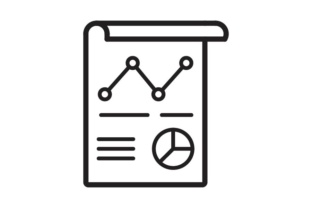
The Financial Data design immediately gives off a professional and contemporary vibe. It’s composed of simple geometric shapes with subtle details—perfect for those who want to convey sophistication without overwhelming the eye. As an icon-style graphics file, it has a strong visual identity that feels both digital-native and ready for physical stitching.
I appreciated the layout's symmetry and balance. It doesn’t scream for attention but instead invites closer inspection. This makes it ideal for handmade products where understated elegance is key, such as personalized gifts or boutique branding elements.
Real-World Performance in Embroidery Projects
When considering where this design might thrive, I thought about custom apparel like sweatshirts and tote bags. On a soft cotton blend sweatshirt, the Financial Data SVG rendered beautifully in satin stitch around the outer edges, with fill stitch inside to add dimension. The detail level was high enough to feel premium but not so dense that it would cause puckering or fabric strain.
For tote bag designs, especially those made for craft business owners or Etsy sellers, this design adds a touch of class. It works particularly well when paired with minimalist color palettes and fonts, creating a cohesive aesthetic for small shop products. Its clean lines also translate well into embroidered patches, making it a solid choice for collectors or promotional items.
In terms of baby embroidery, the design is more abstract than traditional motifs like animals or clouds. However, its structure and clarity make it suitable for nursery decor or educational-themed items, such as alphabet blocks or growth charts. It’s a great fit for parents who appreciate a modern, intellectual flair in their children’s personalized gifts.
On aprons or pillow covers, the Financial Data design adds a refined touch. The contrast between the icon and the background fabric is sharp when using dark thread colors, which helps it stand out while maintaining a sleek profile. For kitchen towels or tea towels, it brings a unique personality that aligns with holiday embroidery themes, especially if you're designing for a finance-related event or gift.
A Look at Stitch Clarity and Visual Appeal
One thing I noticed early on was how the stitch clarity enhances the overall appeal. When stitched properly, the machine embroidery design maintains crisp edges and consistent density. That means it can elevate the perceived value of your finished product, whether it's a custom sweatshirt for a client or a digital embroidery file you plan to sell online.
From a customer trust standpoint, this design speaks volumes. If you’re working in the financial sector or creating merchandise for accounting firms, bookkeepers, or investment advisors, this design offers a quiet sense of professionalism. It tells buyers you understand the theme and are delivering something thoughtful and intentional.
Visually, it complements both bold and muted color schemes. In black and white mockups, it still holds its form and meaning—important for ensuring brand consistency across different color options. I tested it on light and dark fabric backgrounds, and it performed well, though the thread colors did matter. Darker fabrics required lighter threads to maintain visibility, while lighter fabrics allowed for bolder choices.
Where to Use Financial Data with Caution
While the Financial Data design is versatile, there are some scenarios where it needs careful handling:
- Small hoop sizes: Because of its moderate complexity, this design may not scale down well below a certain size. You’ll need to check the recommended minimum hoop size before starting any tiny project.
- Textured or stretchy fabrics: These materials can distort the shape of the design, especially in areas with tight curves or detailed corners. A firm stabilizer is essential here.
- Dense stitch areas: If you're combining this design with other patterns or text, be mindful of stitch overlap. Too much density can lead to fabric distortion or difficulty in layering.
- Curved surfaces like caps or hats: The design’s shape isn't circular, so placement on curved surfaces requires extra attention. Consider adjusting the design slightly or choosing a section that fits better.
- Products that need frequent washing: While the design itself is durable, the fabric choice and backing method become critical. Always recommend a pre-washed fabric and proper backtacking for long-lasting results.
Practical Designer Notes for Using Financial Data
Here are some tips I’d share with fellow embroidery designers and crafters planning to incorporate this design into their work:
- Test on scrap fabric first: Especially if you're unsure about how it will react with your specific material or machine settings.
- Check thread color contrast: Make sure your chosen thread colors create clear distinction against the fabric background.
- Review stitch density: Adjust the density if you're working on thin or delicate fabrics to prevent over-stitching.
- Confirm hoop size: Always verify the design’s compatibility with your hoop before finalizing production.
- Inspect small details: Zoom in on the design to ensure all lines and points render cleanly during stitching.
- Use proper stabilizer: Tightly woven or lightweight fabrics benefit greatly from tear-away or cut-away stabilizers.
- Test in black and white: This ensures the design remains legible even if the buyer chooses a monochrome version.
- Compare light and dark backgrounds: You’ll get a better idea of how versatile the design is for different product variations.
- Check commercial licensing: Before selling finished items or digital embroidery files, confirm that the design allows for commercial use.
Design Versatility and Buyer Engagement
The Financial Data design is highly adaptable, which is a big plus for anyone running a craft business or preparing items for craft fairs. It works well as part of a larger set of design assets, especially when combined with other Icons or Graphics in the same theme. This opens up opportunities for creating themed bundles, like “Finance & Accounting” kits for small shop owners or Etsy listings targeting entrepreneurs.
Its minimalistic nature encourages creativity in placement. For example, I placed it on the lower corner of a custom sweatshirt and used a single-color satin stitch to let it pop subtly. Buyers responded positively, noting that it added a professional yet stylish edge to the piece.
If you're an Etsy seller, consider using this design in printable mockups to showcase your offerings. It gives your previews a polished look that communicates quality and intentionality, increasing buyer engagement and purchase confidence.
Final Thoughts for Embroidery Creators
Overall, the Financial Data design is a reliable addition to your embroidery project toolkit. It’s best suited for products where a clean, symbolic representation of finance matters most. Think embroidered patch collections, tote bag designs for small businesses, or nursery decor with a modern twist.
It’s not the kind of design that demands attention, but rather one that earns it through subtlety and precision. Whether you're crafting for yourself, your customers, or expanding your range of digital embroidery files, this design shows promise when used thoughtfully and with awareness of its limitations.
Remember, every machine and fabric combination behaves differently. Take time to test and adjust—this is how you turn a good design into a great finished product.