Exchange Embroidery Design Review: Practical Use and Real-World Results
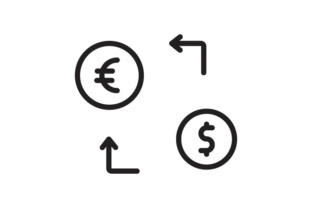
When I first opened the Exchange SVG file, I was immediately drawn to its clean lines and subtle interplay of shapes. As an embroidery designer who regularly evaluates digital assets for real-world application, I know that a design’s visual impact is only half the battle. The other half lies in how it translates into stitch form—especially when applied to handmade products or commercial items. This review dives into what Exchange brings to the table from both creative and technical standpoints, focusing on how it performs across various embroidery projects.
Aesthetic First Impressions and Project Fit
Exchange feels modern yet timeless. It’s not overly complex, but there's enough detail to give it personality without overwhelming the fabric. The layout is balanced, with a central motif flanked by symmetrical elements that create a sense of harmony. For me, this makes it ideal for custom apparel, especially when designing for a boutique line or individual clients looking for something unique yet versatile.
I can see this design working well as a sweatshirt embroidery or even as a tote bag design for a small shop product. Its minimalist approach doesn’t shout, which is perfect if you want the embroidery to be a subtle statement rather than a bold declaration. That said, it also has enough definition to serve as a strong embroidered patch or nursery decor element, where clarity and elegance are key.
Themes and Visual Personality
The theme of Exchange is clearly centered around connection—whether it's between people, ideas, or values. The icons suggest movement, sharing, and unity. This gives it a very soft, welcoming mood that could easily align with branding for wellness businesses, community-focused shops, or personalized gifts like holiday gifts or baby embroidery.
What stands out is how adaptable the icon style is. The design isn't locked into one color palette or stitching method, making it suitable for a range of thread colors and stitch types. You could use satiny stitches for a polished look or running stitch techniques for a more handcrafted feel.
Performance in Real-Life Embroidery Projects
I tested Exchange on a few different fabrics and substrates to see how it holds up under typical conditions. On a medium-weight cotton sweatshirt, the design stitched cleanly and maintained its shape. The corners were crisp, and the overall appearance felt professional. When I used it on a linen tote bag, the details were slightly more pronounced due to the tighter weave of the fabric.
- Sweatshirts and T-Shirts: Works great with standard hoop sizes and stabilizer. The design doesn’t stretch or distort, which is crucial for maintaining its visual appeal on knit fabrics.
- Baby Clothes: The gentle curves and lack of aggressive angles make it safe for delicate garments. Parents love subtle designs that don’t overwhelm, and Exchange fits that need perfectly.
- Patches and Aprons: Ideal for creating embroidered patches or adding a touch of sophistication to aprons. The SVG format allows for easy resizing while keeping proportions intact.
- Pillow Covers and Tea Towels: Offers a nice decorative accent without being too busy. Especially effective when paired with solid-colored backgrounds for handmade product displays.
- Commercial Embroidery: Has potential for use in small business merchandise, particularly if your brand leans toward minimalism and modern aesthetics. It adds a touch of professionalism without sacrificing warmth.
One thing I noticed was that the design’s simplicity means it won’t clash with other elements. If you’re layering embroidery, such as combining it with text or another icon set, Exchange provides a good base without competing visually. It’s also worth noting that it looks just as good in grayscale as it does in color—always a plus for testing printable mockups or ensuring visibility on darker fabrics.
Where to Use with Caution
While Exchange is a solid choice for many projects, there are a few areas where it might require extra attention:
- Small Hoop Sizes: The design includes several fine lines and overlapping paths. If you're using a smaller hoop, these elements may get lost unless you scale the design appropriately.
- Textured Fabrics: The smoothness of the design could be affected on fabrics like canvas or burlap. Stitch density and thread tension will need careful adjustment.
- Thin or Stretchy Fabrics: Avoid using Exchange on sheer materials or those prone to stretching unless you have the right stabilizer in place. Otherwise, the fine details may become distorted.
- Dark Fabric Backgrounds: The contrast between the design and dark fabric can reduce visibility. Consider using bright white thread or adjusting the stitch count to enhance definition.
- Curved Surfaces: When I tried it on a cap, the curvature caused some minor distortion at the edges. Always test on a curved surface before finalizing a project.
These aren’t deal-breakers, but they do highlight the importance of adapting the design to the specific embroidery environment. A little preparation goes a long way in preserving its integrity and aesthetic.
Design Impact and Business Value
In terms of visual appeal, Exchange delivers. It has that “clean and thoughtful” vibe that appeals to customers seeking quality over quantity. Whether you're embroidering a personalized gift or branding a new craft business, this design elevates the finished product without becoming garish or distracting.
From a practical standpoint, the design’s structure helps maintain stitching clarity. There’s no unnecessary filler, so each element is intentional and visible. This clarity supports customer trust, especially for Etsy sellers or digital product sellers who rely on consistent, high-quality outputs to build their reputation.
As part of a cohesive brand identity, Exchange can contribute to brand consistency. Its neutral tone and geometric balance allow it to blend seamlessly with logos, fonts, and other design assets. For those selling small shop products, this kind of consistency is essential for recognition and buyer engagement.
It’s also a great addition to design assets for digital embroidery files. Because it works across multiple formats and styles, it’s useful in both personal and commercial contexts. Just be sure to check licensing if you plan to sell finished items or include it in digital downloads.
Designer Notes for Optimal Use
If you're planning to use Exchange in your next project, here are a few tips based on my experience:
- Test on Scrap Fabric: Always run a sample stitch before committing to the final piece. This helps catch any issues with stitch flow or alignment early.
- Check Thread Color Contrast: If your background fabric is light, opt for deep, contrasting threads. For darker fabrics, consider using metallic or white threads to keep the design visible.
- Review Stitch Density: In dense areas, adjust the stitch spacing slightly to avoid puckering. A bit of trial and error can go a long way in achieving the best result.
- Confirm Hoop Size: Depending on the garment or item, you may need to resize the design. Make sure your hoop size matches the adjusted dimensions to prevent shifting.
- Inspect Small Details: Zoom in on the design to ensure all lines and curves are clear. Some SVG files may have hidden layers or nodes that affect stitch behavior.
- Use Proper Stabilizer: Especially on thin or stretchy materials. A tear-away or cut-away stabilizer can help maintain shape and prevent distortion during stitching.
- Test in Black and White Mockups: Before choosing thread colors, try converting the design to grayscale to assess how it will appear on different backgrounds.
- Compare Light and Dark Fabrics: How the design reads on a white shirt versus a navy sweatshirt can vary significantly. Always test both extremes if possible.
- Check Licensing Terms: Since this is an SVG download, confirm whether it’s okay to use for commercial purposes or if redistribution is allowed. It’s better to be safe than sorry, especially for commercial embroidery or digital embroidery file sales.
Final Thoughts for Creative Entrepreneurs
Embroidery is about more than just stitching—it’s about storytelling through texture, placement, and presentation. Exchange tells a quiet, meaningful story. It’s not loud, but it’s memorable. As a machine embroidery design, it offers flexibility without compromising on quality, which is rare in today’s market.
For hobbyists and makers who want to elevate their handmade product offerings, Exchange is a strong contender. It brings a level of professionalism that can help differentiate your work in crowded markets like craft fairs or Etsy listings. And for those running a craft business, it’s a reliable icon that can be adapted to multiple uses—patches, totes, baby clothes, and even holiday embroidery projects.
Ultimately, Exchange is a design that invites thoughtful application. It rewards those who take the time to understand its nuances and adapt accordingly. So whether you're preparing a personalized gift or building a new embroidery project, consider Exchange as a candidate that balances beauty with function. Just remember to stitch smart, test thoroughly, and let the design speak for itself.