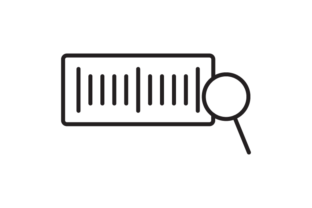
Code Scanning Embroidery Design
First Impressions of Code Scanning
Code Scanning immediately catches the eye with its clean, modern aesthetic. The design feels intentional, with a balance of negative space and structured elements that suggest precision and purpose. It’s an icon-based graphic that leans into the digital age, making it ideal for tech-themed projects or any embroidery work that needs a touch of contemporary flair.
The layout is straightforward but effective. It doesn’t overwhelm with unnecessary details, which makes it versatile across different fabric types and project scales. The theme is subtle but clear—something that could represent a barcode, QR code, or abstract representation of data flow. This makes it a strong candidate for custom apparel, small business branding, or even personalized gifts.
Real-World Embroidery Applications
When considering real-life embroidery situations, Code Scanning fits well into a variety of projects. For example, imagine creating a custom tote bag design for a tech startup or a handmade shop offering personalized accessories. The simplicity of the design allows it to stand out without overpowering the garment or item it’s applied to.
It also works well on sweatshirts, t-shirts, and caps, especially when paired with a bold thread color. The design’s structure supports both satin stitch and fill stitch techniques, making it adaptable to different embroidery machines and styles. However, its effectiveness depends on how it’s scaled and how the stitch density is managed.
Where to Use Code Scanning Carefully
While Code Scanning is visually appealing, there are areas where it requires more attention. On small hoop sizes, the design may feel cramped, especially if the details are too fine. This can lead to stitching issues or a less-than-perfect finish. Similarly, on textured fabrics or thin materials, the design might not hold up as well, requiring additional stabilizer support.
On dark fabrics, the contrast between the design and the background becomes critical. If the thread color isn’t chosen carefully, the design may blend in rather than stand out. Thin or stretchy fabrics also pose challenges, as they can distort the embroidery or cause the stitches to pull unevenly.
Curved surfaces like caps or hats require careful placement and hoop adjustment to ensure the design sits correctly. Tiny lettering or intricate corners may not translate well unless the design is scaled appropriately. Dense stitch areas can also be problematic, as they may cause the fabric to pucker or the stitches to become too heavy.
Impact on Visual Appeal and Customer Perception
Code Scanning has the potential to elevate the visual appeal of any embroidered product. Its clean lines and modern look can make a handmade product feel more professional, which is crucial for Etsy sellers or small shop owners looking to build brand consistency. A well-executed embroidery project using this design can enhance the perceived value of a finished product, making it more attractive to buyers.
Customer trust is another factor. When a design looks polished and well-crafted, it signals quality and attention to detail. This is especially important for personalized gifts or commercial embroidery projects where the end user expects a high standard of work. The design’s versatility also helps in maintaining a cohesive brand image across different product types.
Practical Tips for Embroidery Designers
Before committing to a project, always test the design on scrap fabric. This helps identify any potential issues with stitch density, thread color contrast, or fabric compatibility. Check whether the design works well in black and white mockups to ensure it remains visible on different backgrounds.
Review the stitch density settings on your machine, especially if you’re working with smaller hoop sizes or delicate fabrics. Confirm the hoop size required for the design and adjust your workflow accordingly. For intricate details, consider using a running stitch or a lighter fill to maintain clarity without overloading the fabric.
When using Code Scanning for commercial projects, verify the licensing terms to ensure it’s suitable for your intended use. Whether you’re selling finished items or digital products, understanding the restrictions is essential to avoid legal issues down the line.
Best Fit for Specific Projects
Code Scanning is particularly well-suited for custom apparel, such as tote bags or sweatshirts, where a minimalist yet modern design can make a strong impression. It also works well as an embroidered patch or a decorative accent on aprons, pillow covers, or tea towels.
For holiday or wedding gifts, the design offers a subtle yet meaningful touch that can be easily incorporated into personalized items. It’s also a great choice for boutique branding, where consistency and style are key. As a printable mockup, it can help showcase your design assets before production begins.
Final Thoughts on Code Scanning
As an experienced designer, I find Code Scanning to be a reliable and versatile embroidery design. It brings a modern edge to any project while maintaining a level of professionalism that appeals to both customers and clients. With proper preparation and attention to detail, it can be a valuable addition to any embroidery file library.
Whether you're an Etsy seller, a craft business owner, or a creative entrepreneur, Code Scanning offers practical design insight that can enhance your work and elevate your brand. Just remember to test, adjust, and tailor the design to your specific needs for the best results.